
Small Shop Woodworking: Complete UltimateSmallShop Guide 2026
Table of Contents
This post may contain affiliate links. This means that if you purchase through these links, I receive a small commission — at no extra cost to you. You can read my full Affiliate Disclosure here.
UltimateSmallShop Review: Complete Workshop Setup Guide 2026
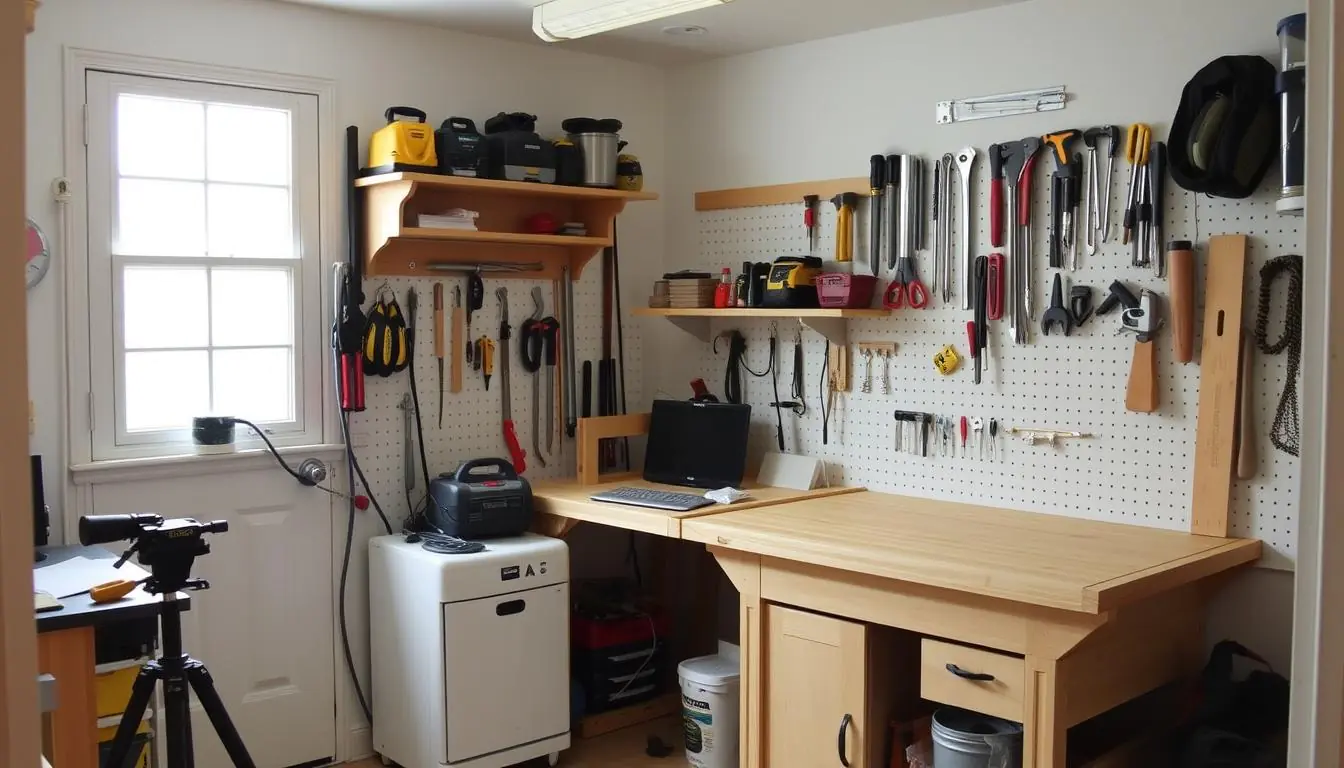
Setting up a woodworking workshop in a small space can feel overwhelming. Where do you put your tools? Which equipment should you buy first? How do you avoid wasting money on tools that won’t last? These questions stop countless woodworking enthusiasts from ever getting started, leaving their creative dreams unrealized in cramped garages and basements.
UltimateSmallShop addresses these exact challenges. Created by veteran woodworker Ralph Chapman, this comprehensive 246-page digital guide teaches you how to set up a fully functional workshop for under $1,000, even if you only have 10 x 6 feet of space. After 25 years of woodworking experience and coaching hundreds of students, Ralph has distilled everything you need to know about tool selection, space optimization, and workshop organization into one complete system.
Key Takeaways
- UltimateSmallShop is a 246-page comprehensive guide for setting up small woodworking workshops
- Created by Ralph Chapman, a woodworker with over 25 years of experience
- Covers 6 essential modules: Tool Selection, Space Selection, Shop Layouts, Electricity/Lighting/Sound, Heating/Cooling/Ventilation/Dust, and Workshop Safety
- Shows you how to set up a complete workshop for under $1,000
- Includes secret supplier lists for buying quality tools at 40-70% off retail prices
- Works for spaces as small as 7×7 feet
- Comes with two free bonuses: Workshop Cheat List and Deal Alert Service
- Priced at $29 (regular price $79) with 60-day money-back guarantee
Understanding the Small Workshop Challenge
Most woodworking advice assumes you have a spacious dedicated workshop. But the reality for most hobbyists is very different. You’re working in a corner of your garage, a basement with low ceilings, or even a spare bedroom. The challenges of small shop woodworking go far beyond just limited floor space.
The Reality of Limited Workshop Space
Small workshop spaces present unique obstacles that larger shops never face. You need to think strategically about every square inch. Tool storage becomes a puzzle where one wrong decision can make your entire workspace dysfunctional. Mobile workstations that can be moved and reconfigured become essential rather than optional.
Many woodworkers give up on their hobby not because they lack skill or interest, but simply because they can’t figure out how to make a small space work efficiently. The frustration of constantly moving tools, inadequate lighting, poor ventilation, and cramped working conditions eventually overwhelms their passion for the craft.
Common Mistakes When Setting Up a Small Shop
The three most common mistakes that doom small workshop setups are poor tool selection, inadequate space planning, and buying from the wrong suppliers. Let’s examine each of these critical errors:
Poor Tool Selection: Beginners often buy tools they don’t need while missing essential ones. They’re influenced by magazine advertisements claiming every tool is a “must-have” or by YouTube videos featuring expensive equipment. The result? Wasted money and cluttered workspace filled with tools that rarely get used.
Inadequate Space Planning: Without a proper layout plan, even a decent-sized space becomes cramped and inefficient. Tools are placed based on where they fit rather than workflow logic. This creates dangerous reach-overs, blocked pathways, and constant frustration during projects.
Wrong Suppliers: Most beginners default to big box retailers like Home Depot, Lowe’s, or Amazon, assuming these stores offer the best deals. In reality, you’re often overpaying by 40-70% compared to lesser-known suppliers that professionals use.
The Cost of Bad Tool Decisions
Ralph Chapman knows the pain of bad tool purchases firsthand. Over his 25-year career, he’s wasted thousands of dollars on tools that failed, broke down, or simply didn’t perform as promised. From a $800 Delta drum sander that couldn’t maintain alignment to a Harbor Freight jointer that never produced a true 90-degree edge, these expensive mistakes taught him valuable lessons.
But the real cost isn’t just the money spent on bad tools. It’s the replacement cost, the time spent researching alternatives, the shipping fees, the resale losses, and most importantly, the time you could have spent actually woodworking. When you factor in all these hidden costs, a single bad $200 tool purchase can easily cost you $300-400 in total losses.
UltimateSmallShop: A Comprehensive Overview
UltimateSmallShop is not a collection of woodworking project plans. Instead, it’s a complete workshop setup system that teaches you how to create a fully functional woodworking space regardless of size limitations. The guide focuses on the practical realities of small shop woodworking: maximizing limited space, choosing the right tools, organizing efficiently, and creating a safe working environment.
This 246-page digital guide is organized into six comprehensive modules, each addressing a critical aspect of workshop setup. From selecting quality tools at discount prices to designing layouts for spaces as small as 7×7 feet, Ralph Chapman shares the hard-won knowledge from his 25-year career. The guide includes detailed diagrams, step-by-step instructions, shopping lists with direct supplier links, and budget breakdowns for workshops ranging from $500 to $1,000.
What sets UltimateSmallShop apart is its focus on actionable, practical advice rather than theoretical concepts. Every recommendation comes from real-world testing. Every supplier has been personally vetted. Every layout has been proven in actual small shop environments. This isn’t advice from someone with a 2,000 square foot dream workshop—it’s guidance from someone who started in an 8×10 foot space and made it work.
Who Is Ralph Chapman?
Ralph Chapman began his woodworking journey over 25 years ago in a cramped 8×10 foot space. Like many hobbyists, he faced the frustrating realities of limited space, tight budgets, and conflicting advice from magazines and online sources. But instead of giving up, Ralph became obsessed with solving the puzzle of small shop efficiency.
Through years of trial and error, Ralph developed systematic approaches to tool selection, space optimization, and workshop organization. He made expensive mistakes—like his $800 Delta drum sander that never worked properly—so you don’t have to. He discovered secret supplier sources that offer 40-70% discounts on quality tools. He perfected mobile workstation designs that maximize flexibility in tight spaces.
About five years ago, Ralph began mentoring other woodworkers, and he noticed the same patterns of frustration and mistakes repeated over and over. This inspired him to create UltimateSmallShop, consolidating all his knowledge into one comprehensive resource. Today, hundreds of woodworkers have successfully set up functional workshops using Ralph’s proven methods, many in spaces they previously thought were impossible to work with.
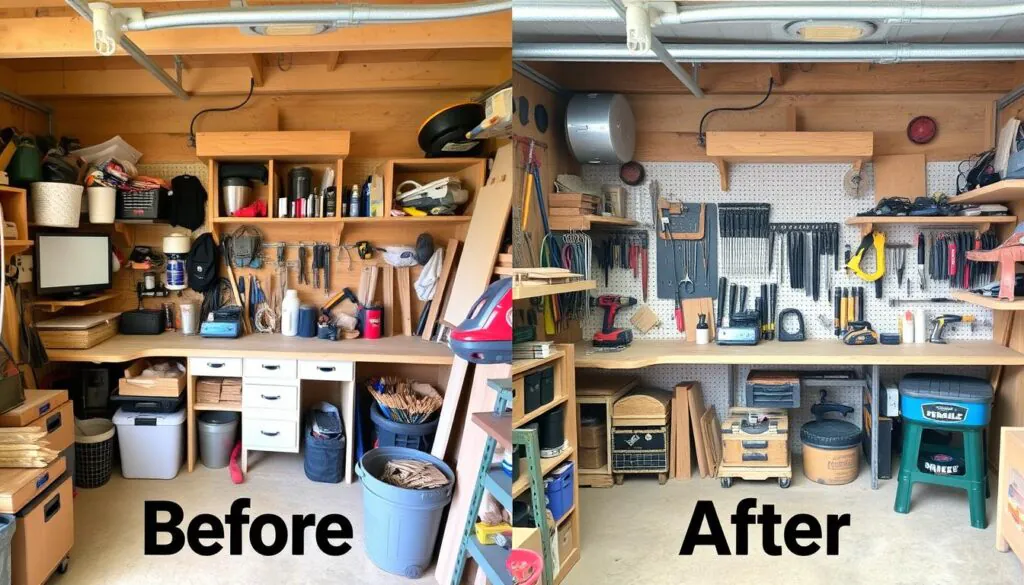
What’s Inside the 246-Page Guide
UltimateSmallShop is divided into six comprehensive modules, each targeting a specific aspect of workshop setup. Let’s explore what each module covers and how it helps you create your ideal small shop.
Module 1: Tool Selection
This module tackles the biggest money drain for beginning woodworkers: buying the wrong tools. Ralph provides detailed shopping lists for both hand-tool-only setups (under $500) and combined hand-tool and power-tool workshops (under $1,000). But more importantly, he explains the reasoning behind each selection so you understand what you truly need.
Key features of the Tool Selection module include:
- Complete shopping lists with specific model recommendations and direct purchase links
- Ralph’s secret supplier source where he found a Dewalt DW734 planer for $170 (Amazon price: $399)
- Detailed explanations of when to use hand tools versus power tools for better precision
- The 5-second maintenance trick that extends tool life by years
- How to identify quality tools versus marketing hype
- Which tools are actually worth buying at big box stores (there are a few!)
- Ralph’s personal “rolodex” of heavily discounted tool suppliers
The module covers stationary tools, portable tools, pneumatic equipment, and hand tools. Every recommendation is based on tools Ralph has personally used or that have been thoroughly tested by woodworkers he knows and trusts. This eliminates the guesswork and fake review problem that plagues online tool shopping.
Module 2: Space Selection
Not all spaces are created equal for woodworking. A basement might seem spacious until you factor in low ceilings and support columns. A garage offers convenience but may have temperature and moisture issues. This module helps you evaluate your available space options and choose the best location for your workshop.
Ralph walks you through the pros and cons of different workshop locations:
- Garage workshops (including the “doorway trick” for maximizing space)
- Basement shops (addressing ceiling height, columns, and moisture concerns)
- Attic spaces (weight capacity and access considerations)
- Spare rooms or apartment corners
- Outdoor sheds (insulation and security factors)
- Why mobile homes should never be used as dedicated workshops (critical safety reasons)
- The one unconventional space most people never consider that’s actually ideal
The module includes specific guidance for dividing workshop functions across multiple areas if you don’t have a single dedicated space. This creative approach opens up possibilities you might never have considered.
Module 3: Shop Layouts
Once you’ve selected your space, you need an efficient layout. This module provides detailed floor plans for workshops ranging from 7×7 feet to larger spaces, showing optimal machine placement and workflow organization. Ralph has created these layouts based on years of experimentation and refinement.
The Shop Layouts module covers:
- Perfect layouts for spaces 10×10 feet or smaller with detailed diagrams
- How to position every tool for maximum productivity and safety
- The “doorway trick” that makes small spaces work like larger ones
- Mobile workstation conversion process for any heavy stationary machine
- Workflow zones: cutting, assembly, finishing, and storage
- How to design layouts for oddly shaped or awkward spaces
- Space-saving techniques that professional woodworkers use
Ralph emphasizes one critical concept: in small shops, at least one major tool must be mobile. He provides exact instructions for converting stationary machines into mobile units that anyone can move around. This flexibility is the key to making cramped spaces functional.
Module 4: Electricity, Lighting and Sound Proofing
Proper electrical setup and lighting can make or break your workshop experience. Inadequate power leads to blown breakers and potential fire hazards. Poor lighting causes eye strain and safety issues. Excessive noise creates problems with family members and neighbors. This module addresses all three concerns comprehensively.
You’ll learn about:
- Electrical requirements for woodworking tools and how to avoid blown breakers
- Ralph’s $40.78 solution for excellent whole-shop lighting
- When to DIY electrical work versus hiring a professional
- The cheap circuit type that powers almost anything without risk
- Sound-proofing techniques borrowed from recording studios that reduce noise by 50%+
- How to reduce sound escaping your workshop by 70% for under $500
- Best times of day to run your loudest equipment
- Low-noise tool recommendations for about $1,000 total
The lighting advice alone is worth the price of the guide. Ralph shows you how to achieve professional-level workshop lighting for less than $50 using readily available materials. His sound-proofing strategies are equally practical and budget-friendly, letting you work without disturbing others.
Module 5: Heating, Cooling, Ventilation & Dust
Temperature extremes and poor air quality make workshops miserable and potentially dangerous. This module covers environmental control systems that keep you comfortable and safe without breaking the budget. Ralph addresses both well-insulated and poorly-insulated spaces with different solution strategies.
Key topics include:
- Best heater types for insulated versus non-insulated workshops
- Why cheap heaters actually cost more money (and what to buy instead)
- The $3 trick for clean air without inside-to-outside ventilation
- Perfect temperature for long-term wood storage
- Critical humidity mistake that can ruin wood stock within hours
- Exact shop vac model Ralph recommends for best performance per dollar
- Dust collection strategies for small shops on a budget
The ventilation advice is particularly valuable. Many woodworkers install fans or ventilation systems that actually create more problems by introducing extreme temperatures or humidity. Ralph’s $3 solution provides clean air while maintaining comfortable working conditions year-round.
Module 6: Workshop Safety
Safety becomes even more critical in small workshops where space constraints can create hazardous situations. This final module provides comprehensive safety guidelines specifically tailored to cramped working conditions. Ralph covers fire prevention, emergency access, proper tool spacing, and safe workflow patterns.
The Workshop Safety module includes:
- The one type of shop fire that gives you a 50/50 chance of losing your home
- Two tricks to avoid tripping over cables (the #1 workshop injury cause)
- Simple post-work habit that prevents 90% of workshop fires
- 10-item safety checklist for all woodworkers, beginners to experts
- Four items that can set your shop on fire faster than you can blink
- How to maintain clear pathways between machines in tight spaces
- Emergency access considerations for small workshops
Ralph doesn’t just list safety rules—he explains the reasoning behind each guideline so you understand why they matter. This approach helps you make better safety decisions in situations the guide doesn’t specifically cover.
Small Shop Woodworking: Space Optimization Strategies
One of the most valuable aspects of UltimateSmallShop is its focus on practical space optimization techniques. Ralph doesn’t just tell you to “organize better”—he provides specific, actionable strategies that transform cramped workshops into efficient working environments.
Vertical Storage Solutions
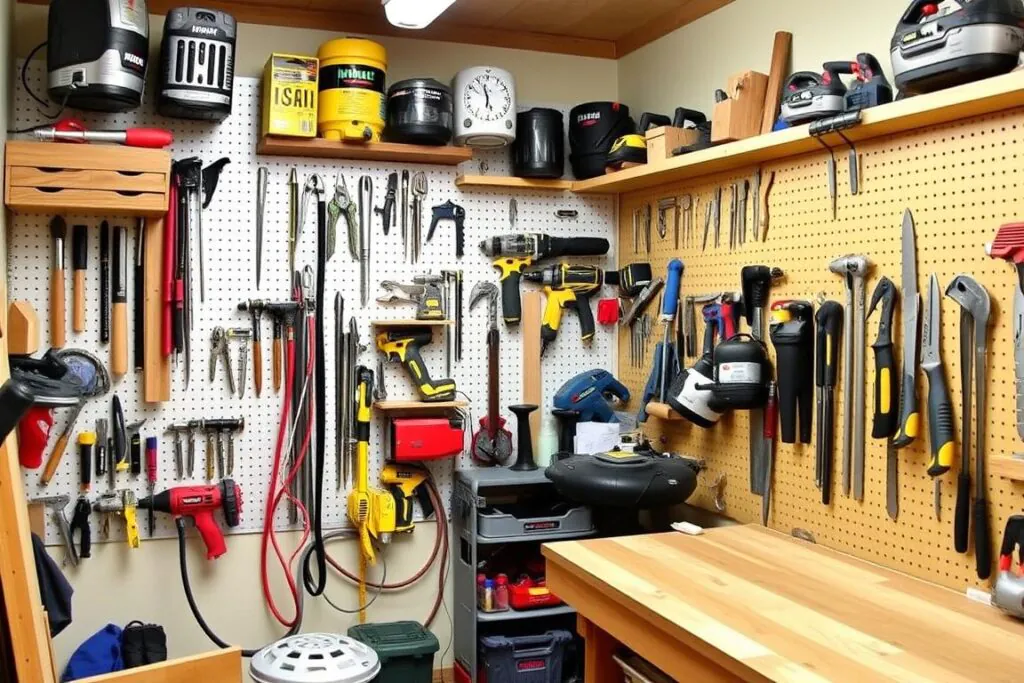
The guide shows you how to utilize wall space effectively with French cleat systems, custom tool holders, and modular storage panels. These solutions keep frequently used tools visible and accessible while freeing up valuable floor space. Users report reclaiming over 40% of their floor space by implementing these vertical storage techniques.
Mobile Workbenches and Tool Stations
Fixed workstations are inefficient in small shop woodworking. UltimateSmallShop provides detailed plans for building mobile workbenches and tool stations that can be reconfigured based on your current project. These designs include locking casters, fold-down extensions, and integrated storage to maximize functionality while minimizing footprint.

Overhead Storage Ideas
The often-neglected ceiling space becomes valuable real estate with UltimateSmallShop’s overhead storage solutions. The guide includes plans for lumber racks, tool hangers, and project storage systems that utilize the space above your work area without creating hazards or accessibility issues.

Workshop Layout and Organization Tips
Effective small shop woodworking starts with a well-planned layout. UltimateSmallShop provides detailed configuration templates for various common small shop scenarios, including single-car garages, basement workshops, and compact dedicated spaces as small as 8×10 feet.
Creating Efficient Workflow Zones
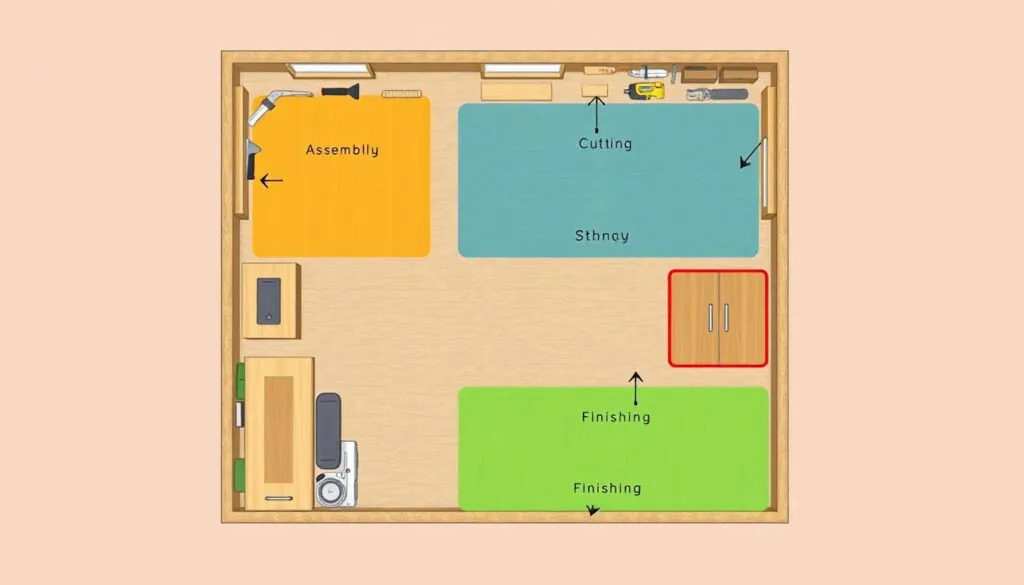
A key principle in small shop woodworking is organizing your space into functional zones. UltimateSmallShop recommends dividing your workshop into distinct areas for different activities, maximizing efficiency even in the tightest spaces.
The recommended workflow zones include:
- Cutting Zone: Position power tools with adequate infeed/outfeed space, considering the largest materials you typically use
- Assembly Zone: A clear workbench area with nearby tool storage for frequent hand tools
- Finishing Zone: Ideally separated or with dust protection, with good ventilation
- Storage Zone: Organized systems for lumber, sheet goods, and project materials

Safety Considerations in Tight Spaces
Small shop woodworking presents unique safety challenges. The guide addresses critical safety elements including maintaining clear pathways between machines, proper dust collection in confined spaces, electrical load management for small shop circuits, tool placement to avoid dangerous reach-overs, and emergency access considerations.
These layout strategies transform the limitations of small shop woodworking into advantages. With proper organization, a small shop can actually improve efficiency by reducing walking distances and keeping everything within arm’s reach.
Bonus Content Included
When you purchase UltimateSmallShop, you receive two valuable bonuses at no additional cost. These bonuses complement the main guide and provide ongoing value long after you’ve set up your workshop.
Bonus #1: The Workshop Cheat List
This bonus guide (regular value $59) reveals insider tips for buying lumber and tools at massive discounts. You’ll discover how to get free lumber from stores, how to get 80% off premium lumber from sawmills, a system for receiving free tools delivered monthly with no returns required, sources for 70%+ discounts on brand-name power tools, and negotiation strategies for buying from private sellers.
The Workshop Cheat List pays for itself the first time you use it to purchase lumber or tools. The savings from just one major tool purchase using these insider sources can exceed the cost of the entire UltimateSmallShop package.
Bonus #2: Deal Alert Service
This exclusive service (regular value $10/month) sends you email notifications when Ralph discovers exceptional deals on tools and supplies. Many of these deals last only 24-48 hours, so acting quickly is essential. You receive lifetime access to this deal alert service as long as Ralph continues operating it—there’s no additional subscription fee for UltimateSmallShop customers.
Pricing and Value
UltimateSmallShop is currently priced at $29, reduced from the regular price of $79. This represents exceptional value considering the comprehensive nature of the guide and the two included bonuses.
| Component | Regular Value | What You Get |
|---|---|---|
| UltimateSmallShop Guide | $79 | 246-page comprehensive workshop setup system with 6 modules |
| Workshop Cheat List | $59 | Insider tips for discounts on lumber and tools |
| Deal Alert Service | $10/month | Lifetime email alerts on tool and supply deals |
| Total Regular Value | $138+ | Everything included |
| Current Price | $29 | 79% discount |
But the true value extends beyond the sticker price. Consider what you save by avoiding common mistakes: one bad $200 tool purchase costs $300+ when you factor in replacement, shipping, resale losses, and time. Buying from big box retailers instead of Ralph’s secret suppliers can cost you $500-1000 extra on a basic tool set. The guide pays for itself many times over just by helping you avoid one or two common expensive mistakes. And the 60-day money-back guarantee means you risk nothing by trying it.
Comparing with Alternatives
Several resources exist for woodworkers setting up workshops, but none focus specifically on the challenges of small spaces the way UltimateSmallShop does.
| Resource | Cost | Small Shop Focus | Tool Buying Guide | Layout Plans |
|---|---|---|---|---|
| UltimateSmallShop | $29 one-time | 100% dedicated | Yes, with secret suppliers | Multiple detailed layouts |
| Woodworking Magazines | $50-100/year | Occasional articles | Generic reviews | Rarely small-space focused |
| YouTube Tutorials | Free | Scattered content | Often sponsored/biased | Inconsistent quality |
| Workshop Books | $20-40 each | Varies | Basic advice | Often assumes large spaces |
| Professional Consultation | $200-500 | Can be customized | Varies by consultant | One-time advice only |
UltimateSmallShop stands out for its singular focus on small workshop challenges. Most importantly, it comes from someone who actually works in a small space, not a professional with a massive workshop giving theoretical advice about working in limited areas.
Real User Experiences and Success Stories
The true test of any workshop guide is whether real people achieve results. UltimateSmallShop has helped hundreds of woodworkers successfully set up functional workshops in challenging spaces. Here are some representative success stories from actual users:
“I was ready to give up on woodworking entirely. My single-car garage seemed impossible to work in. But following Ralph’s layout for a 10×20 space, I was able to set up a complete workshop that still leaves room for my car when needed. The mobile workbench plans were a game-changer. I’ve completed a dozen projects in the past year from a space I had almost abandoned.”
— George F., San Marcos, TX
“The tool buying guide alone saved me over $600. I was about to purchase everything from Home Depot when I discovered Ralph’s secret supplier source. Same brands, same quality, 60% less money. The guide paid for itself ten times over just with that one shopping trip.”
— Andy M., Sacramento, CA
“My basement has support columns and a 7-foot ceiling. I thought it was hopeless for a workshop. Ralph’s guide showed me how to work around these obstacles with mobile stations and strategic layout. I now have a fully functional shop that produces professional-quality work. Friends can’t believe what I’m creating down there.”
— Kyle R., Portland, OR
Common themes in user feedback include significant cost savings on tools, successful layouts in spaces previously thought unusable, and appreciation for the practical, no-nonsense advice. Users consistently mention that the guide eliminated months of frustration and expensive trial-and-error.
Ease of Use for Beginners
UltimateSmallShop is written for woodworkers of all experience levels, but it’s particularly valuable for beginners who are setting up their first workshop. Ralph writes in clear, straightforward language without assuming extensive prior knowledge. Technical terms are explained when introduced, and the guide includes plenty of diagrams and illustrations to clarify concepts.
The step-by-step approach makes implementation straightforward:
- Start by reading Module 2 (Space Selection) to choose your workshop location
- Review Module 3 (Shop Layouts) to plan your space configuration
- Use Module 1 (Tool Selection) to create your shopping list
- Purchase tools using Ralph’s supplier links for maximum savings
- Implement Modules 4-6 for electrical, environmental, and safety setup
- Reference the Workshop Cheat List for ongoing savings opportunities
Ralph estimates most people can have a functional workshop set up within two weeks of purchasing the guide, assuming they already have a space identified. The time-consuming research, supplier hunting, and layout planning are already done for you.
One potential challenge for absolute beginners is that the guide assumes basic DIY capability. If you’ve never used power tools or have no experience with basic construction, you might find some recommendations challenging. However, Ralph provides enough detail that motivated beginners should be able to follow along successfully, possibly with some YouTube supplement for specific techniques.
Cost-Effectiveness and Budget Considerations
The guide’s focus on budget-conscious workshop setup makes it ideal for hobbyists concerned about costs. Ralph provides detailed budgets for three different workshop scales:
| Workshop Type | Estimated Cost | What’s Included |
|---|---|---|
| Hand Tools Only | Under $500 | Complete hand tool set, basic workbench, essential storage |
| Hybrid Shop | $500-$1,000 | Key power tools, hand tools, mobile workstations, storage systems |
| Full Power Shop | $1,000-$1,500 | Comprehensive power tool setup, advanced storage, dust collection |
These budgets assume you’re buying quality tools from Ralph’s recommended suppliers. If you purchase the same tools from big box retailers, expect to spend 40-70% more for identical equipment. This is where the guide’s supplier lists provide tremendous value.
Additional cost-saving strategies covered in the guide include building your own mobile workstations instead of buying expensive pre-made versions, DIY storage solutions using inexpensive materials, the $40.78 lighting solution instead of $200+ commercial shop lights, strategic tool purchases over time rather than buying everything at once, and when to buy used versus new equipment.
For woodworkers on tight budgets, UltimateSmallShop provides a realistic path to workshop ownership without requiring thousands of dollars in upfront investment. The guide helps you prioritize essential tools and avoid expensive mistakes that drain your budget.
Potential Drawbacks and Limitations
While UltimateSmallShop offers tremendous value, it’s important to consider potential limitations before purchasing. No product is perfect for everyone, and understanding these drawbacks helps you make an informed decision.
Common Challenges
Digital Format Only: UltimateSmallShop is delivered as a downloadable PDF. There’s no physical book option. Some woodworkers prefer physical reference materials they can keep in the workshop without worrying about protecting electronic devices from dust and moisture. However, you can print the guide if you prefer hard copies.
US-Centric Supplier Information: Many of Ralph’s recommended tool suppliers and secret sources are based in the United States. International customers may find it challenging to access these same deals, though the general principles about tool selection and workshop layout remain valuable regardless of location.
Assumes Basic DIY Skills: The guide assumes you have basic comfort with tools and simple construction projects. Complete novices with zero DIY experience might find some recommendations intimidating. Ralph doesn’t provide beginner tutorials on fundamental skills like using a drill or reading a tape measure.
Limited Advanced Content: The guide focuses on setting up functional workshops efficiently and economically. Woodworkers looking for advanced techniques, specialized equipment for professional production, or high-end custom shop designs might find the content too basic for their needs.
No Video Content: All instruction is text-based with diagrams and photos. Some learners prefer video demonstrations, especially for complex concepts like mobile workstation conversion or electrical setup. The lack of video might make certain sections harder to follow for visual learners.
Suggested Improvements
Based on user feedback and our analysis, here are areas where UltimateSmallShop could potentially improve:
- Video Supplements: Adding video demonstrations for key concepts like mobile workstation building or layout implementation would benefit visual learners
- International Supplier Resources: Expanding the supplier lists to include options for European, Canadian, and Australian woodworkers would increase global value
- Progressive Skill Building: Including a module on fundamental woodworking skills for absolute beginners would make the guide more accessible
- Community Forum: A members-only forum where users could share their workshop setups, ask questions, and exchange ideas would add ongoing value
- Regular Updates: While Ralph does update the guide periodically, more frequent updates with new supplier discoveries and layout innovations would enhance long-term value
Despite these limitations, UltimateSmallShop remains the most comprehensive resource specifically focused on small workshop setup. The drawbacks are relatively minor compared to the extensive practical value the guide provides.
Pros and Cons
✅ Pros
- Comprehensive 246-Page Guide: Covers every aspect of small workshop setup
- Budget-Focused: Shows how to set up for under $1,000
- Secret Supplier Lists: Access to 40-70% discounts on quality tools
- Detailed Layouts: Multiple floor plans for spaces as small as 7×7 feet
- Practical Experience: Created by someone who actually works in small spaces
- Two Free Bonuses: Workshop Cheat List + Deal Alert Service
- 60-Day Guarantee: Risk-free trial period
- Affordable Price: $29 (regularly $79)
- Lifetime Access: Download and keep forever
- Proven Results: Hundreds of successful workshop setups
⊘ Cons
- Digital Only: No physical book option available
- US-Centric Suppliers: Some resources harder to access internationally
- No Video Content: Text and diagrams only, no video demonstrations
- Assumes Basic Skills: Not ideal for complete DIY novices
- Limited Advanced Content: Focuses on functional setup, not high-end customization
- Implementation Required: Results depend on following through with the guidance
Overall Rating
Final Verdict
UltimateSmallShop stands out as the most comprehensive and practical guide available for woodworkers setting up workshops in limited spaces. Ralph Chapman’s 25 years of hands-on experience shine through every page, offering solutions that actually work in real-world small shop environments rather than theoretical advice from someone with unlimited space.
The guide’s greatest strength is its laser focus on the unique challenges of small workshops. Every recommendation considers space constraints, budget limitations, and workflow efficiency. The secret supplier lists alone justify the modest $29 investment, potentially saving you hundreds or even thousands of dollars on tool purchases. When you factor in the comprehensive layout plans, safety guidance, and environmental control strategies, the value proposition becomes exceptional.
While the digital-only format and US-centric supplier information present minor limitations, these don’t significantly diminish the guide’s overall value. The core principles of tool selection, space optimization, and workshop organization apply universally, regardless of your location. And the 60-day money-back guarantee eliminates any purchase risk.
Who Should Purchase UltimateSmallShop:
- Woodworking hobbyists with limited workshop space (garage, basement, shed)
- Beginners setting up their first workshop on a budget
- Experienced woodworkers downsizing to smaller spaces
- Anyone frustrated with current cramped, inefficient workshop setups
- DIYers looking to maximize tool value through smart purchasing
- Budget-conscious woodworkers who want quality without overspending
Who Might Look Elsewhere:
- Woodworkers with large dedicated workshop spaces who don’t face space constraints
- Complete novices with zero DIY experience who need fundamental skills training
- Professional woodworkers seeking advanced production workshop designs
- Those strongly preferring video content over written guides
- International buyers unable to access US-based tool suppliers (though core content still valuable)
For the target audience of small-space woodworkers, UltimateSmallShop delivers outstanding value. It transforms what seems like an impossible situation—creating a functional workshop in severely limited space—into an achievable goal with clear, actionable steps. The combination of practical layouts, money-saving supplier access, and comprehensive setup guidance makes this guide an essential resource for anyone serious about small shop woodworking.
The 60-day guarantee means you can thoroughly evaluate whether the guide meets your needs without risk. Given the potential savings on even a single tool purchase through Ralph’s supplier network, trying UltimateSmallShop is essentially a no-lose proposition for small shop woodworkers.
Ready to Transform Your Small Workshop?
Get instant access to the complete 246-page guide, secret supplier lists, and bonus content
FAQ
Q: What is UltimateSmallShop?
A: UltimateSmallShop is a comprehensive 246-page digital guide created by Ralph Chapman that teaches you how to set up a fully functional woodworking workshop in limited spaces. It covers six essential modules: Tool Selection, Space Selection, Shop Layouts, Electricity/Lighting/Sound Proofing, Heating/Cooling/Ventilation/Dust, and Workshop Safety. The guide shows you how to create a complete workshop for under $1,000, even in spaces as small as 7×7 feet.
Q: Who is Ralph Chapman?
A: Ralph Chapman is a woodworker with over 25 years of experience who began his journey in a cramped 8×10 foot workshop. Through years of trial and error, he developed systematic approaches to small shop efficiency, tool selection, and space optimization. About five years ago, he began mentoring other woodworkers and created UltimateSmallShop to share his hard-won knowledge with a broader audience.
Q: How much does UltimateSmallShop cost?
A: UltimateSmallShop is currently priced at $29, reduced from the regular price of $79. This includes the complete 246-page guide plus two free bonuses: The Workshop Cheat List (regular value $59) and lifetime access to the Deal Alert Service (regular value $10/month). The purchase comes with a 60-day money-back guarantee.
Q: What size workshop does the guide cover?
A: The guide provides layouts and strategies for workshops as small as 7×7 feet up to larger spaces like standard single-car garages (approximately 10×20 feet). Ralph focuses specifically on small shop challenges, with detailed plans for spaces under 200 square feet. The principles work for basements, garages, sheds, spare rooms, and even apartment corners.
Q: Do I need expensive tools to follow this guide?
A: No. The guide shows you how to set up a functional workshop for under $1,000 total, and even provides a hand-tool-only option for under $500. Ralph focuses on quality tools at budget prices through his secret supplier sources, where you can save 40-70% compared to big box retailers. You don’t need top-of-the-line equipment to create a productive workshop.
Q: What are the secret supplier sources mentioned in the guide?
A: Ralph provides direct links to suppliers where he’s found quality tools at massive discounts—sometimes 60-70% off retail prices. For example, he found a Dewalt DW734 planer for $170 when Amazon sold it for $399. These aren’t well-known retailers, which is why most woodworkers overpay at big box stores. The supplier lists are included in Module 1 of the guide.
Q: Is this guide suitable for complete beginners?
A: The guide is written for woodworkers of all experience levels, but it assumes basic DIY capability. If you’re comfortable using common tools like drills and saws and can follow detailed instructions, you should be fine. Complete novices with zero tool experience might find some sections challenging, though motivated beginners have successfully used the guide. It’s not a basic woodworking skills tutorial—it focuses on workshop setup specifically.
Q: What format is the guide delivered in?
A: UltimateSmallShop is delivered as a downloadable PDF file that you can access immediately after purchase. You can view it on any device with a PDF reader (computer, tablet, smartphone). You can also print the guide if you prefer physical copies for your workshop. There is no physical book shipping option.
Q: What bonuses are included with the purchase?
A: You receive two free bonuses with UltimateSmallShop: (1) The Workshop Cheat List, which reveals insider tips for getting free lumber and 70%+ discounts on tools (regular value $59), and (2) lifetime access to the Deal Alert Service, where Ralph emails you about exceptional time-limited deals on tools and supplies (regular value $10/month).
Q: Is there a money-back guarantee?
A: Yes. UltimateSmallShop comes with a 60-day money-back guarantee. If you’re not satisfied for any reason within 60 days of purchase, you can request a full refund with no questions asked. This gives you ample time to review the guide, implement the recommendations, and decide if it meets your needs.
Q: How long will it take to set up my workshop using this guide?
A: Ralph estimates most people can have a functional workshop set up within two weeks of purchasing the guide, assuming they already have a space identified and can dedicate time to implementation. The actual timeline depends on your starting point, budget, and how much time you can invest. The guide eliminates the months of research and planning most people spend.
Q: Does the guide include woodworking project plans?
A: No. UltimateSmallShop focuses exclusively on workshop setup—not on building specific projects. It teaches you how to select tools, organize space, and create a functional workshop environment. Once your shop is set up, you’ll be ready to tackle any woodworking projects you choose, but the guide itself doesn’t include furniture plans or project blueprints.
Q: Will the supplier information work for international buyers?
A: Many of Ralph’s recommended suppliers are US-based, which may limit access for international customers. However, the core principles about tool selection, space optimization, workshop layouts, and safety apply universally. International buyers will still benefit significantly from the guide, though they may need to find local equivalents for some supplier recommendations.
Q: Does the guide cover dust collection systems?
A: Yes. Module 5 (Heating, Cooling, Ventilation & Dust) includes comprehensive coverage of dust management strategies specifically designed for small shops. Ralph recommends specific shop vac models, explains dust collection on a budget, and shows you how to maintain clean air without expensive whole-shop dust collection systems.
Q: Can I use this guide for apartment or condo workshops?
A: Yes. Ralph specifically addresses workshops in apartment corners and other unconventional spaces. The guide includes sound-proofing strategies to avoid disturbing neighbors and compact layouts that work in very small areas. However, be aware that some power tools may still be too loud or large for apartment settings, and you should check your lease restrictions.
Q: Are there mobile workstation plans included?
A: Yes. Module 3 includes detailed instructions for converting stationary machines into mobile units that anyone can move around. Ralph emphasizes that in small shops, at least one major tool must be mobile, and he provides the exact process for creating mobile workstations with locking casters, fold-down extensions, and integrated storage.
Start Building Your Dream Workshop Today!
Join hundreds of woodworkers who have transformed cramped spaces into fully functional workshops


