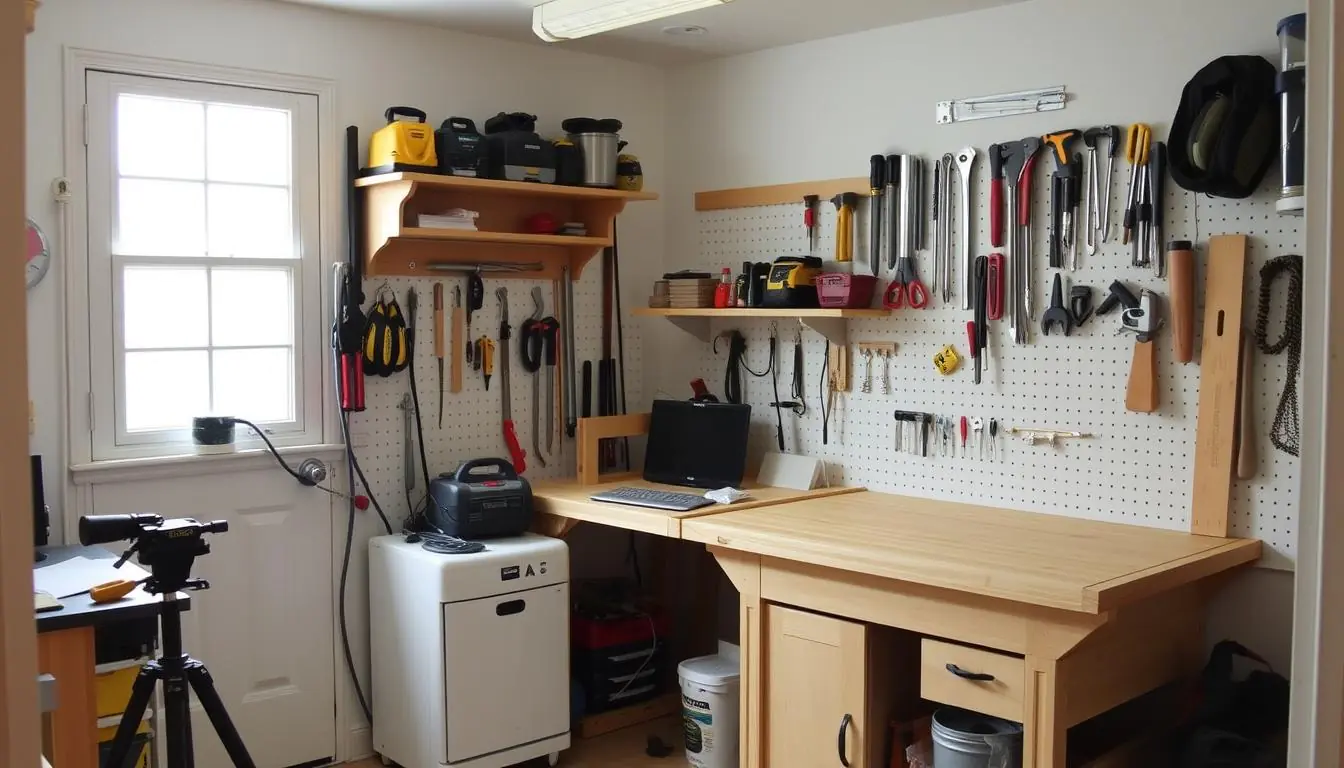
Best DIY Building Plans for Serious Hobbyists
Best DIY Building Plans for Serious Hobbyists
What separates a frustrating afternoon in the garage from creating something you’re genuinely proud of?
If you’re past basic kits and ready for real craftsmanship, you’ve found your resource. This isn’t about simple instructions. It’s about detailed guides that respect your growing expertise.
Good design is the foundation of every successful project. Whether it’s a sturdy workbench, elegant furniture, or garden structures, the right blueprint turns guesswork into precision.
We help you navigate available resources. You’ll learn to select projects matching your skill level. The goal is to save your time, materials, and sanity.
Key Takeaways
- Superior instructions are the difference between frustration and flawless execution.
- The right project challenges your skills without overwhelming you.
- Detailed plans save significant time and reduce material waste.
- Trusted sources like Woodcraft and Rockler offer reliable, tested designs.
- Proper planning transforms your workshop experience from stressful to satisfying.
- Skill advancement comes from progressively complex, well-guided builds.
- Having a clear roadmap builds confidence for tackling ambitious furniture or outdoor projects.
Why a Solid Plan is Your Most Important Tool
In woodworking, as in any skilled craft, preparation isn’t just helpful—it’s essential for quality results. The right blueprint transforms uncertainty into a clear path forward. It provides measurable dimensions and specific techniques before your saw ever touches material.
Companies like Rockler demonstrate this principle perfectly. Their approach shows how proper preparation removes guesswork from construction. You get step-by-step instructions, detailed diagrams, and complete material lists.
Beyond Guesswork: Precision and Confidence
Working from a detailed plan changes your entire mindset. You approach each task with confidence, knowing measurements have been tested. Techniques have proven effective through previous builds.
A comprehensive guide provides clarity from the very beginning. You understand joinery methods and material requirements upfront. This knowledge prevents those mid-project “what now?” moments that derail progress.
Good instructions do more than list steps. They explain why certain methods work better than others. This builds your knowledge base alongside your creation. You’re not just following directions—you’re learning the craft.
Visualizing the complete process becomes possible with proper documentation. You can identify potential challenges before encountering them in your workspace. This foresight saves hours of frustration and rework.
Efficiency in the Workshop: Saving Time and Materials
The efficiency gained from following a solid roadmap is substantial. You spend less time figuring things out and more time creating. Your focus shifts from problem-solving to skillful execution.
Materials represent a significant investment for any serious endeavor. Proper planning helps you purchase exactly what you need. You avoid costly overages and those annoying last-minute store runs.
Quality documentation eliminates the trial-and-error process. This often leads to wasted resources and abandoned efforts. When every cut and joint is planned, waste decreases dramatically.
For dedicated enthusiasts, a good set of instructions serves dual purposes. It’s both a construction guide and a learning tool. Your skills grow with each completed piece of furniture or workshop item.
The time savings alone make thorough preparation worthwhile. What might take weekends of frustration becomes an organized, enjoyable process. You complete projects faster while achieving better results.
Remember: The most beautiful creations begin with careful thought on paper. Your next masterpiece deserves that same thoughtful foundation.
Building Your Foundation: Starter Plans for Skill Development
Skill development in woodworking isn’t about rushing to complex builds. It’s about laying a solid groundwork with the right starter projects. These initial efforts teach you the core techniques you’ll use forever.
Companies like Woodcraft design their beginner-friendly plans with this exact purpose in mind. They focus on minimal tools, crystal-clear instructions, and forgiving builds. This approach helps you build competence and confidence simultaneously.
Simple Joinery and Forgiving Builds
Your first projects should introduce fundamental joinery without stress. Techniques like butt joints, pocket holes, and basic dados are perfect. They teach you about wood alignment and fastening in a straightforward way.
A forgiving build is a beautiful thing for a new woodworker. It allows for minor imperfections while still yielding a functional, attractive result. This is how you develop your eye for detail and precision without fear of failure.
These foundational plans help you master essential workshop skills. You’ll practice reading a tape measure accurately and making straight, clean cuts. You’ll also start to understand wood grain direction and its importance.
Project Ideas: Tool Totes, Birdhouses, and Basic Shelves
So, what should you build first? Choose projects that offer immediate utility and satisfaction. This turns practice into tangible reward.
Woodcraft’s catalog includes excellent starter examples:
- Tool Totes: A simple box with a handle teaches cutting, assembly, and handling.
- Birdhouses: These small structures introduce basic framing and roof angles.
- Wine Racks: A great project for learning spacing, symmetry, and simple joinery.
Kreg Tool is another fantastic resource for beginners. Their popular plans focus on practical items for your home:
- Raised Garden Beds: An outdoor project that uses basic construction for a great result.
- Floating Shelves: These teach you about wall mounting and creating a clean, modern look.
- Bookshelves & Kitchen Islands: Slightly larger projects that build your understanding of structural integrity.
Starting with a simple box, basic shelves, or a small stand builds crucial knowledge. You learn about proportion and stability before tackling a large table or piece of furniture. Each completed item gives you a useful object and the confidence to progress.
Leveling Up Your Craft: Intermediate Projects with More Detail
Moving beyond basic builds requires stepping into projects that challenge both your hands and your mind. This is where you transition from following instructions to understanding construction principles. Woodcraft describes this stage as perfect for makers who know their way around a drill and read cut lists with confidence.
Introducing New Techniques and Joinery
Intermediate plans bridge the gap between basic construction and advanced craftsmanship. You’ll encounter techniques that demand greater precision than beginner work. Mortise and tenon joints, dovetails, and complex mitered corners become part of your skill set.
These methods create stronger, more beautiful pieces of furniture. You learn how different joinery techniques work together within a single build. This understanding moves you from simply following steps to knowing why certain methods work best.
The cut lists become more detailed at this level. You’ll often work with multiple material types in one project. Finishing techniques also advance beyond simple staining or painting.
Project Ideas: Shaker Tables, Router Tables, and Swing Beds
Woodcraft’s intermediate examples include functional pieces that combine style with structural challenges. A Shaker side table introduces clean lines and precise joinery. Mission coffee and end tables teach you about stylistic elements alongside solid construction.
Building a router table serves a dual purpose. You create a valuable workshop tool while practicing precision joinery. Flat surface construction and accurate measurement become crucial skills.
Swing beds represent excellent intermediate challenges. They combine structural engineering with comfort considerations. Outdoor material selection adds another layer to your woodworking knowledge.
These plans typically involve more complex assembly sequences. You’ll need to dry-fit components before final glue-up. The satisfaction comes from creating pieces that showcase both function and form.
Successfully completing intermediate builds proves your growing competence. You’re no longer just assembling parts. You’re crafting pieces with intentional design and lasting quality.
Mastering the Craft: Advanced Plans for Refined Results
Advanced woodworking represents the pinnacle of the hobbyist’s journey, where precision becomes an obsession and every detail matters. This level separates those who build functional items from those who create heirloom-quality pieces. You’re no longer just following instructions—you’re interpreting designs with an understanding of why each element exists.
Woodcraft characterizes these advanced plans as bringing refined techniques, tight tolerances and seriously slick builds. They’re designed for makers who live for perfect miters and smooth-as-glass finishes. At this stage, your workshop transforms into a studio for craftsmanship.
Focus on Tight Tolerances and Complex Joinery
Advanced woodworking demands precision that separates hobbyist work from professional-quality craftsmanship. Tolerances are measured in fractions of an inch rather than rough approximations. A sixteenth of an inch can mean the difference between a joint that sings and one that fails.
Complex joinery techniques become standard at this level. Through-dovetails, compound miters, and curved laminations challenge your technical skills while producing visually stunning results. Each method requires careful layout, precise cutting, and patient fitting.

Material selection becomes as important as construction technique. You’ll pay attention to grain matching, wood movement considerations, and specialty hardware. The right wood choice can elevate a project from beautiful to extraordinary.
These plans often incorporate multiple materials beyond wood. Glass panels, metal accents, and specialized hardware require additional fabrication skills. You become not just a woodworker, but a materials artisan.
Project Ideas: Classic Workbenches, Arts & Crafts Furniture, and Detailed Boxes
Advanced projects test your full range of skills while producing pieces you’ll treasure for decades. Each category teaches different aspects of master-level craftsmanship.
| Project Type | Key Skills Developed | Complexity Level | Typical Build Time |
|---|---|---|---|
| Classic Workbenches | Structural engineering, ergonomics, mass production precision | Very High | 40-60 hours |
| Arts & Crafts Furniture | Historical joinery, exposed construction, design principles | High | 30-50 hours |
| Detailed Boxes | Small-scale precision, intricate joinery, fine finishing | Moderate-High | 15-30 hours |
Classic workbenches represent the pinnacle of advanced projects. Building your own workbench requires more than construction skills. You need understanding of ergonomics, weight distribution, and workshop workflow. The result becomes the foundation for all your future creations.
Arts & Crafts furniture projects teach historical design principles. You’ll master through-tenons, exposed joinery, and the relationship between form and function. Pieces like Morris chairs or Greene & Greene-inspired tables become family heirlooms.
Detailed boxes—like jewelry cases and keepsake containers—master small-scale precision. Building a perfect box challenges you more than many large pieces of furniture. Every joint must be flawless, every surface perfectly prepared.
Other advanced projects include butcher block carts, display rack systems, and specialty stand designs. Each pushes different aspects of your growing skill set.
Successfully completing advanced plans proves you’ve developed both technical skills and design understanding. You gain confidence to tackle virtually any woodworking challenge. More importantly, you create pieces that reflect the true depth of your craftsmanship.
Choosing Your Project: A Guide by Category
Navigating the vast world of woodworking projects is easier when you sort them by purpose and place. Categorizing your options helps match your building ambitions with the right instructions. You can focus on furnishing your home, organizing your workspace, or enhancing your outdoor living area.
Resources like Rockler use this method brilliantly. They group their designs into clear types like Workshop, Furniture, Home Decor, and Outdoor plans. This system lets you find what you need without sifting through unrelated ideas.
Furniture and Home Decor: Tables, Benches, and Shelves
This category is about creating custom pieces that fit your space and style perfectly. You develop joinery and finishing skills while making something you’ll use every day.
A well-built table or set of shelves adds both function and character to a room. These projects teach you about proportions, structural integrity, and aesthetic balance.
Kreg Tool highlights popular furniture categories for good reason. Pieces like headboards, bookshelves, and kitchen islands combine practicality with visual appeal. They offer a great return on your time and effort.
Building a bench or side table introduces you to the fundamentals of fine furniture construction. You learn how different joints work under stress and how to achieve a professional-looking finish.
Workshop Projects: Workbenches, Tool Organizers, and Shop Jigs
Improving your workspace efficiency is a rewarding goal. These projects let you practice techniques on the very tools that will make future builds smoother.
Constructing a custom tool box or wall organizer solves immediate clutter problems. It also reinforces skills like precise measurement and assembly.
Building your own workbench is a particularly valuable undertaking. You tailor this essential centerpiece to your specific height, workflow, and storage needs. A good bench becomes the foundation for every other project you tackle.
Shop jigs—guides and fixtures for your tools—might seem simple. Yet, crafting a perfect crosscut sled or doweling jig demands high precision. The payoff is increased accuracy and safety on all subsequent work.
Outdoor and Garden Builds: Raised Beds, Porch Swings, and Plant Stands
Outdoor projects require special consideration for weather resistance. You must select appropriate materials and construction methods to ensure longevity.
Kreg Tool specifically highlights raised garden bed designs as a popular category. A good plan balances structural integrity with gardening functionality. It teaches you how to work with larger-scale frames and drainage considerations.
A porch swing or garden bench introduces concepts of comfort and ergonomics to outdoor design. These pieces need to be both sturdy and inviting.
Plant stands and decorative trellises are excellent starter projects for your garden. They introduce you to working with weather-resistant materials like cedar or pressure-treated lumber.
Choosing the right material is crucial for any outdoor project. This table compares common options:
| Material | Best For | Key Consideration |
|---|---|---|
| Cedar or Redwood | Planters, benches, furniture | Natural rot resistance; more expensive. |
| Pressure-Treated Pine | Structural frames, raised beds | Requires sealing for direct soil contact. |
| Composite Lumber | Decking, long-lasting surfaces | Low maintenance; limited structural use. |
| Exterior-Grade Plywood | Back panels, painted projects | Must be thoroughly sealed on all edges. |
Whether you’re growing vegetables or creating a relaxing patio spot, a thoughtful plan ensures your garden build will last for seasons to come.
Where to Find Premium Free DIY Building Plans
Knowing where to look for premium free plans transforms random searching into targeted discovery. The internet offers countless ideas, but reliable, well-tested instructions are harder to find. Working from a quality guide saves you from frustration and material waste.
We’ve identified three standout sources for free woodworking resources. Each has a unique strength that serves different needs. You can trust their instructions to be accurate and complete.
Kreg Tool: Project Plans Focused on Pocket-Hole Joinery
Kreg Tool specializes in designs built around their signature joining method. Pocket-hole joinery is known for its strength and simplicity. Their plans leverage this technique for efficient construction.
This makes their library particularly valuable if you own a Kreg jig. Even if you don’t, the methods are clearly explained. You’ll learn a versatile skill applicable to many future projects.
Their popular categories meet common home and garden needs. You’ll find designs for raised garden beds and floating shelves. Headboards, bookshelves, and kitchen islands are also well-represented.
Each plan includes a complete material list and cut diagram. Step-by-step photos guide you through assembly. The focus is on creating sturdy, functional pieces with clean lines.
Woodcraft: Skill-Tiered Plans from Beginner to Advanced
Woodcraft stands out by clearly labeling the difficulty of each design. Their system helps you match a project to your current abilities. This prevents the discouragement of tackling something too complex.
Their philosophy states that good instructions do more than guide a build. They build confidence and help you learn new techniques. You develop your skills while creating something tangible.
Beginner plans focus on fundamental joinery and forgiving designs. Intermediate options introduce more detailed joinery and complex assemblies. Advanced designs demand precision and refined craftsmanship.
This tiered approach provides a clear path for growth. You can progress from a simple bench to intricate furniture. Each completed project prepares you for the next challenge.
Rockler: Comprehensive Plans for Furniture and Home Improvement
Rockler offers perhaps the most extensive categorization system. They organize their free woodworking resources into clear, useful groups. This makes finding the right plan for your goal straightforward.
Their main categories include workshop, furniture, and home improvement. Home decor, outdoor, food & drink, and game projects are also covered. They even have a section for small, quick builds.
This comprehensiveness is their greatest strength. Whether you need a new workbench, a patio table, or a clever stand, Rockler likely has a design. Their commitment to quality tools extends to their instructional resources.
Each guide is designed with accuracy and efficiency in mind. You get expert-level advice without the premium price tag. This makes them an excellent resource for woodworkers at any stage.
| Source | Primary Focus | Best For | Key Feature |
|---|---|---|---|
| Kreg Tool | Pocket-Hole Joinery | Builders using Kreg jigs; efficient home & garden projects | Plans optimized for their specific joinery system |
| Woodcraft | Skill Progression | Woodworkers seeking clear beginner-to-advanced pathways | Tiered difficulty ratings and skill-building philosophy |
| Rockler | Categorical Comprehensiveness | Finding a plan for nearly any project type or category | Wide-ranging categories from workshop to outdoor |
All three sources share important qualities. Their free woodworking guides include complete material lists. Detailed diagrams and clear step-by-step instructions are standard. You’re getting tested documentation, not vague suggestions.
Choosing between them depends on your immediate goal. Need a quick garden bed? Check Kreg. Want to systematically advance your skills? Browse Woodcraft. Looking for inspiration across many categories? Explore Rockler.
These reputable providers save you time and ensure better results. Your next great build starts with a great guide from a trusted source.
From Plan to Project: Essential Execution Tips
Having a great blueprint is only half the battle—the real test comes when you translate those drawings into physical reality in your workspace. Successfully executing a plan requires more than just following steps. It involves understanding how to interpret the information presented and adapt it to your specific situation.
This phase transforms theoretical designs into finished pieces. You’ll learn to navigate cut lists, select materials wisely, and assemble with confidence. These skills ensure your effort yields professional results every time.
Reading Cut Lists and Diagrams Effectively
Cut lists are the roadmap for your material preparation. Reading them effectively means checking all dimensions before cutting. You should understand wood grain direction notations and identify which pieces require multiple copies.
Always verify measurements against the diagrams provided. A small error in reading can lead to significant material waste. Take time to mark each piece clearly as you work through the list.
Diagrams and schematics provide spatial relationships that written instructions can’t convey. They show you how joints fit together and components align in three dimensions. Study these visual guides before making your first cut.
Look for numbered or lettered references that connect the diagram to your cut list. This helps you visualize how each piece functions in the final assembly. Understanding these relationships prevents confusion during construction.
Selecting the Right Materials and Making Adjustments
Material selection goes beyond just wood type. Consider board straightness, knot placement, and grain pattern matching. Decide whether to use solid wood or sheet goods for different components.
For a box or small furniture piece, select boards with complementary grain patterns. This creates visual harmony in your finished project. Avoid pieces with major defects that could weaken your structure.
Making adjustments to plans is often necessary. Materials may differ slightly from specifications. You might need to customize dimensions to fit your specific space requirements.
Here’s a systematic approach to material selection:
- Inspect each board for warp, twist, or excessive knots before purchase.
- Match grain patterns for visible surfaces like table tops or cabinet fronts.
- Consider wood movement when joining different grain orientations.
- Allow for extra length when cutting to accommodate potential errors.
When building shelves or a display stand, minor adjustments can improve functionality. Don’t hesitate to modify depths or heights to suit your needs. A good plan serves as a guide, not an inflexible rule.
The Importance of Dry Fitting Before Final Assembly
Dry fitting means assembling pieces without glue or permanent fasteners. This trial process reveals fit issues, alignment problems, and sequencing errors. It allows you to catch mistakes before they become permanent.
This approach is particularly crucial for complex joinery. Multiple pieces must align perfectly for the structure to work. Correcting issues after glue has set is difficult or impossible.
Follow this step-by-step dry fitting process:
- Gather all cut and prepared components for a sub-assembly.
- Fit joints together without adhesive to check tightness.
- Use clamps to hold pieces in position and check squareness.
- Mark any areas requiring additional sanding or trimming.
- Disassemble and make necessary adjustments before final glue-up.
Dry fitting builds confidence in your assembly sequence. You confirm that all components work together as intended. This practice saves time and frustration during the final construction phase.
For a workshop project like a tool box or storage unit, dry fitting ensures everything fits before committing. You can make minor adjustments, sand tight joints, and perfect your technique. The result is a smoother final assembly with fewer surprises.
Developing this systematic approach transforms plans from mere instructions into flexible guides. They accommodate your workshop realities while still achieving professional results. Your execution skills will improve with each completed piece.
Conclusion: Your Next Build Awaits
Woodworking is a constant balance between technical discipline and creative vision. By selecting projects that respect your current skill level but challenge you a little beyond your comfort zone, you turn time in the workshop into an investment in both durable furniture and your own evolution as a woodworker. Whether you’re building a simple plant stand or a sturdy, heirloom-worthy bench, remember that the bridge between frustration and success is good planning. Now that you have the right roadmap and resources, all that’s left to do is choose your project, prepare your tools, and start building your next masterpiece.
Expand your knowledge by reading about:
Shipping Container Home Plans: Complete DIY Building Guide 2026.
Small Shop Woodworking: Complete UltimateSmallShop Guide 2026.
The Self Sufficient Backyard Review: Ron & Johanna’s Guide 2026.
Tiny House Made Easy Review: Complete Guide 2026.
FAQ
Q: Where can I find truly free woodworking plans?
A: You can find excellent free projects on websites like Kreg Tool, Woodcraft, and Rockler. These brands offer a wide range of designs, from simple garden projects to complex furniture. Their plans often include clear diagrams, cut lists, and step-by-step instructions to guide you.
Q: How do I know if a project plan is right for my skill level?
A: Look for plans that clearly state a skill tier, like “beginner,” “intermediate,” or “advanced.” Beginner plans, such as a basic tool tote or birdhouse, use simple joinery. Intermediate projects, like a Shaker table, introduce new techniques. Advanced builds, such as a classic workbench, focus on complex joinery and tight tolerances.
Q: What should I do if my materials don’t match the plan’s cut list?
A: A> This is common. First, always dry fit your pieces before any final gluing or screwing. If your wood is a different thickness, you’ll need to recalculate the measurements for joinery like dados or tenons. The plan is a guide; adapting it to your available materials is a key part of the process.
Q: Are plans for outdoor furniture different from indoor projects?
A: Yes. Outdoor and garden builds, like a porch swing or raised bed, require specific materials and construction. You must use weather-resistant woods like cedar or pressure-treated lumber, along with exterior-grade fasteners and finishes. The plans should account for water drainage and wood movement.
Q: What’s the most important step before starting any build?
A: Thoroughly reading the entire plan is crucial. Understand the cut list, all diagrams, and the assembly sequence. Gather your tools and materials beforehand. This preparation prevents mistakes, saves you time, and reduces waste in your workshop.